Why Crash Reports Matter for CDL Drivers: How To Obtain Crash Reports by State
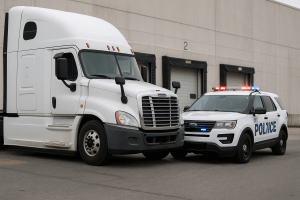
Understanding crash reports is crucial for commercial drivers, as they contain vital information regarding accidents involving large vehicles, which can significantly impact their careers and financial stability.
For truckers, knowing how to obtain crash reports by state can be a game-changer, assisting in the navigation of complex legal landscapes.
Obtaining crash reports by state isn’t just a procedural requirement; it can help drivers understand the circumstances of an accident, protect their rights, and ensure they are equipped with the right documentation for any legal proceedings.
For example, if a truck driver gets into an accident, the resulting crash report can be instrumental in demonstrating their innocence when disputing fault. This is particularly important in maintaining a good driving record and ensuring the continued eligibility to operate commercial vehicles.
How To Obtain Crash Reports by State
If you’re a commercial truck driver, a crash report may be required for:
- Insurance claims
- Carrier safety audits
- Disputing fault in an accident
- CDL requalification or SAP program paperwork
- Legal representation after a collision
Every state has its own protocols for accessing crash reports. It’s essential for truckers to familiarize themselves with the specific requirements of their state as well as those in states where they frequently drive. This knowledge can save time and prevent unnecessary complications when retrieving these reports.
Motor Vehicle Ticket & Accident Report Resources by State
Find where to look up or pay a traffic ticket, and where to request an official accident/crash report, for your state. Each link routes to the correct state DMV, court, or police resource — traffic ticket payment is typically handled at the county or court level, so the link below is the right starting point rather than a single statewide payment page.
Source: DMV.ORG state directories. Provided for informational purposes only — always confirm current fees, forms, and deadlines directly with your state DMV, court, or police agency.
To help you navigate this process, we’ve compiled a comprehensive guide on how to obtain crash reports by state, including links and contact information for relevant authorities.
What You’ll Usually Need
Most states will require:
When requesting crash reports, it’s important to be aware that each state may have different requirements and processing times. In some cases, obtaining a report may take several days or even weeks, especially if the report is part of an ongoing investigation.
Moreover, various states may have different forms for submission, and understanding these nuances can greatly assist in expediting your request.
- Date of the accident
- Location (city/county)
- Vehicle info or driver name
- Crash/incident number (if available)
Some states also require a fee (usually $5–$25), and proof of involvement or written consent.
CDL Driver Tip
Always keep a copy of your crash report on file — especially if you’re switching carriers, applying for SAP reentry, or filing for a dispute. Carriers may not keep them on file long-term, and insurance companies may request it at any time.
For instance, some states might request additional documentation, such as proof of vehicle registration or a valid driver’s license, so ensure you have all necessary documentation ready to avoid delays.
Additionally, being organized will help you during this process. Consider keeping a dedicated folder for all paperwork related to your driving history, including crash reports, insurance information, and carrier communications.
This practice not only aids in personal record-keeping but can also prove invaluable when you need quick access to documents for audits or legal matters. Please connect with us for more career help!